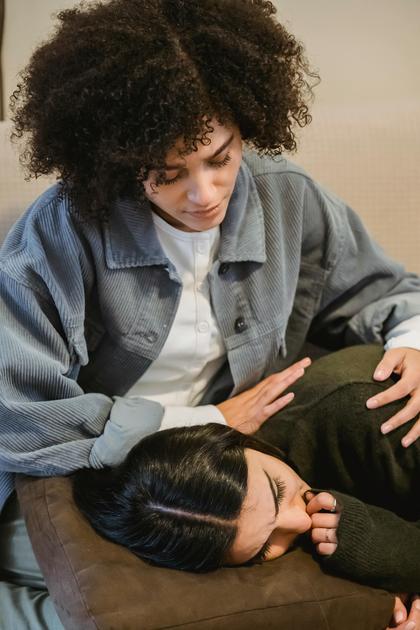
Many women over 30 experience a profound sense of anxiety that can disrupt their daily lives. This is a silent struggle that often goes unspoken. Imagine feeling overwhelmed by stress, worries about the future, or the pressure of balancing work and family. You are not alone in this; numerous women face this reality, and it is essential to understand that there are ways to find relief.
In this article, we will explore the nuances of anxiety in women over 30, share relatable stories, and highlight methods that could help you reclaim your peace. Moreover, we’ll discuss how you can connect with others who share similar experiences and find effective solutions, particularly through gentle approaches rather than relying solely on heavy medications.
Women 30+
The Calm Reset — 7 Days to Feel Steady, Kind & In Control Again - Only $2.99
Understanding Anxiety: What It Means for Women Over 30
Anxiety is more than just feeling stressed; it’s an overwhelming sensation that many women over 30 know all too well. This age often brings a cocktail of responsibilities — career pressures, family obligations, and personal expectations. As one navigates through this busy life, it’s natural to feel anxious at times. Understanding what anxiety means and how it can manifest is the first step toward managing it.
For many women, anxiety may appear as a feeling of dread, constant worry, or even physical symptoms like rapid heartbeat or sweating. It can be triggered by various factors in life, including transitions like changing jobs, becoming a parent, or even grappling with the reality of aging. Recognizing these feelings as valid is crucial.
It’s essential to remember that you’re not alone in this struggle. According to research, anxiety disorders are more prevalent among women, particularly those over 30. Thus, understanding the unique ways anxiety impacts women at this stage is vital for finding effective coping strategies.
The Role of Hormones in Women’s Anxiety
Hormones play a significant role in women’s mental health. After the age of 30, hormonal fluctuations begin to impact women’s mood. For instance, during the menstrual cycle, hormonal changes can heighten anxiety symptoms. Additionally, perimenopause can introduce various emotional ups and downs, resulting in increased anxiety.
Understanding these hormonal influences can empower women to take control of their mental health. Awareness of the connection between hormones and anxiety can lead to more informed choices regarding diet, exercise, and even medical consultations to address these fluctuations.
Common Triggers of Anxiety in Women After 30
There are several common triggers of anxiety that emerge during this pivotal age:
Career Pressure: The desire to excel in a career, combined with the fear of failure, can create tension.
Family Responsibilities: Juggling the demands of family life can lead to feelings of being overwhelmed.
Relationship Dynamics: Changes in relationships, whether through marriage, divorce, or shifts in friendships, can provoke anxiety.
Health Concerns: The increasing awareness of health issues as one ages can lead to anxiety about one’s physical state.
Financial Issues: Worries about financial stability can weigh heavily on the mind.
Recognizing personal triggers is a major step in managing anxiety. Taking time to journal about your feelings, and identifying specific situations that lead to anxiety, can pave the way for healthier coping strategies.
The Impact of Stress on Daily Lives
Stress is a silent culprit that can compound anxiety over time. Many women find themselves in constant battle mode, where everyday stress factors can spiral into anxiety. This often leads to fatigue, irritability, and difficulty concentrating. If you feel like your daily routine is wholly consumed by stress, it could be time to examine how you can change this pattern.
Implementing stress management techniques such as deep breathing, meditation, or gentle exercise can significantly affect overall mental health. Even a short break during a busy day can help recharge your mental batteries.
Practical Tips for Managing Anxiety Effectively
To manage anxiety, consider incorporating various strategies that fit seamlessly into your daily routine:
Establish a Routine: Routines help provide structure and predictability.
Practice Mindful Breathing: Dedicate a few minutes each day to focus on your breath.
Limit Caffeine and Sugar: These can exacerbate feelings of anxiety.
Engage in Regular Exercise: Physical activity has proven benefits for mental health.
Seek Professional Help: Don’t hesitate to speak with a therapist if your anxiety feels unmanageable.
Having a strong support network is vital for emotional well-being. Surround yourself with friends and family who understand your struggles. Share your feelings openly and encourage an environment where vulnerability is accepted.
Joining groups or communities, whether in-person or online, can also provide a sense of belonging. Engaging with others who are facing similar challenges can lead to shared experiences and solutions.
Mindfulness and Its Benefits for Reducing Anxiety
Mindfulness is a potent tool in the fight against anxiety. It encourages women to be present in the moment, reducing worries about the past or future. Techniques like meditation, yoga, or even mindful walking can help ground you.
Incorporating mindfulness into your daily routine doesn’t require large time investments. Even a few minutes each day can create a sense of calm and centeredness.
The Importance of Self-Care and Personal Time
Self-care is often overlooked but is crucial for mental health, particularly for women balancing various responsibilities. Taking time for yourself can feel selfish, but it’s necessary. When you care for yourself first, you’re better equipped to aid those around you.
Simple self-care activities like reading a book, enjoying a bath, or taking time for a hobby can provide stress relief and joy. Making these moments a priority reminds you of your worth and helps mitigate anxiety.
Stories of Resilience: Women Overcoming Anxiety
Many women have faced anxiety and come out stronger on the other side. Their stories remind us that overcoming these challenges is possible. From learning new coping strategies to breaking down unhealthy thought patterns, each journey is unique and inspiring.
Listening to or reading about others’ experiences can foster hope. It serves to illustrate that while the struggle is real, overcoming it is possible.
Finding Hope: Steps Towards a Calmer Life
Although anxiety can often feel overwhelming, it’s essential to believe in your ability to improve your situation. By incorporating small, actionable steps into your daily routine, you can regain control over your mental health. Many women have walked this path, discovering their strength and resilience along the way.
Finding strategies that resonate with you is vital and may require trial and error. Remember that this journey is not linear, and it’s perfectly okay to seek guidance and support along the way. You are not alone in this fight, and brighter days are ahead.
Take that first step today. It’s possible to improve all these symptoms and challenges by following a simple step-by-step approach, just as many other women have done before you.